Hand-Tied vs. Tape-In vs. Beaded Weft Hair Extensions: Which Is Right for You?
Choosing between hand-tied, tape-in, and beaded weft hair extensions depends on more than which method sounds best. Your natural hair, the length or fullness you want, how you normally style your hair, and the maintenance you're comfortable with can all influence which option makes sense.
At The Girl House, we offer multiple extension methods because there isn't one that's right for everyone. If you're considering hair extensions in Springfield, Nixa, or Ozark, understanding the differences can help you feel more prepared for your consultation without feeling like you have to choose the method yourself.
A Quick Comparison of Hair Extension Methods
Hand-tied, tape-in, and beaded weft extensions can all add length, fullness, or both. The main differences are how the extensions are constructed and attached and how the installation works with your natural hair and routine.
| Extension Method | How It Works | Why It May Be Considered |
|---|---|---|
| Hand-tied weft | Thin wefts are incorporated into a row-based installation | Customizable length and fullness with a weft-based installation |
| Tape-in | Extension pieces use adhesive tabs around sections of natural hair | A different attachment option for certain hair types, goals, and routines |
| Beaded weft | Wefts are installed using a foundation created with small beads | A customizable weft installation without tape adhesive |
This is a starting point, not a prescription. Two people can want the same finished length and still need different extension plans.
Hand-Tied Weft Extensions
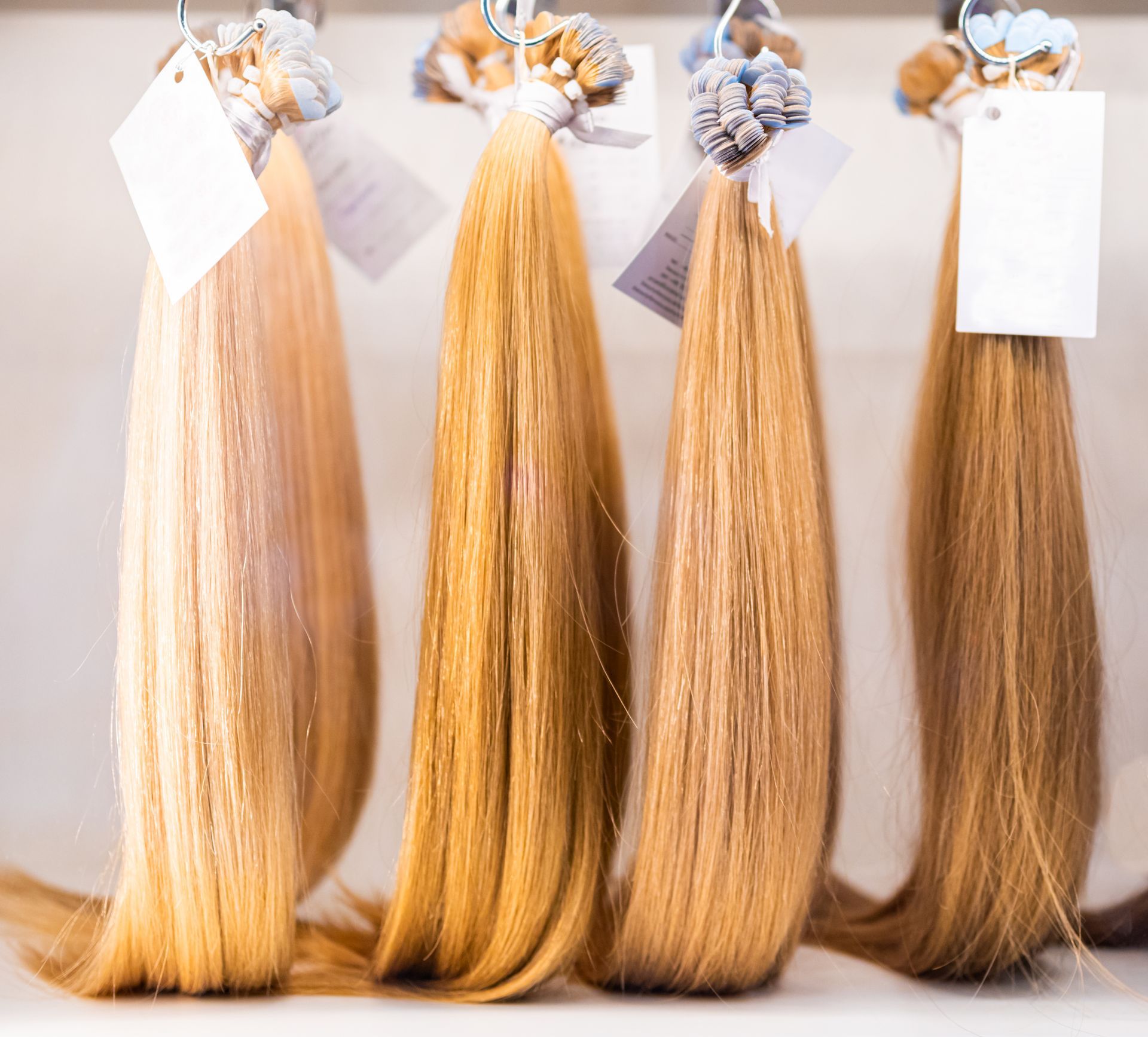
Hand-tied wefts are thin wefts of extension hair traditionally made by tying hair onto the weft by hand. During installation, those wefts can be sewn into a foundation created in the natural hair.
Their thin construction gives us flexibility when creating customized length and fullness. How much extension hair we use and where we place it still needs to work with your natural hair and the finished look you want.
One thing we want clients to know is that "hand-tied" doesn't necessarily mean the installation is completely bead-free. The term can describe how the extension weft itself is made rather than every part of the installation process.
Tape-In Extensions
Tape-in extensions use thin sections of extension hair with adhesive tabs. Small sections of natural hair are placed between the extension pieces to create the attachment.
Because tape-ins attach differently than sewn-in wefts, they give us another option for customizing an extension plan. Placement matters, particularly if you regularly wear your hair up or prefer certain hairstyles.
Tape-ins also need professional maintenance as your natural hair grows. Products and care around the adhesive areas matter, so the at-home routine should be part of the conversation before choosing this method.
Beaded Weft Extensions
Beaded weft extensions use small beads to create a foundation that supports the extension weft rather than relying on tape adhesive.
At The Girl House, you'll also see Microbead and Invisible Bead terminology associated with our beaded weft extension options. The technique recommended will depend on your natural hair and the result you're trying to achieve.
Beaded wefts offer plenty of flexibility, but your natural hair still needs to comfortably support the extensions and conceal the attachment points. The right amount of hair, weight, placement, and blending all matter.
Hand-Tied vs. Beaded Wefts: What's the Difference?
This is where extension terminology can get confusing. "Hand-tied" and "beaded" don't always describe the same part of an extension system.
Hand-tied generally describes how a weft is constructed. Beaded describes an attachment approach that uses beads to help create the foundation for the weft.
How Do You Choose the Right Extension Method?
The right hair extensions should be chosen around your natural hair and the result you're hoping to achieve, not simply whichever method is popular online.
Start With Your Natural Hair
When we help someone choose extensions, we look at how fine or dense their hair is, its current condition and length, and how much natural hair is available to comfortably support and blend the extensions.
This is especially important if you describe your hair as "fine." Fine hair and low-density hair aren't necessarily the same thing. You can have fine individual strands but plenty of hair overall, which is why a consultation tells us more than a hair-type label alone.
If you're experiencing unexplained thinning or hair loss rather than naturally fine hair, consider discussing it with a healthcare professional before adding extensions.
Decide Whether You Want Length, Fullness, or Both
Extensions aren't only for dramatic length. Some clients want more fullness through their existing length, while others want a noticeable change in both length and volume.
Knowing the result you want helps determine how much extension hair may be needed and where it should be placed.
Think About How You Actually Wear Your Hair
Your everyday routine matters. If you regularly wear ponytails or updos, work out frequently, swim, or have specific styling preferences, bring that up during your consultation.
We want your extension plan to work for your actual routine, not just look good when you leave the salon.
Be Realistic About Maintenance
Every professional extension method requires maintenance because your natural hair continues to grow.
Before committing to a method, make sure you understand both the salon maintenance and at-home care involved. If you've never worn extensions before, our guide to what to expect during your first hair extension appointment can help you prepare.
What Matters Beyond the Extension Method?
Choosing the method is only one part of getting extensions. The amount of hair used, weight, placement, color matching, blending, installation, home care, maintenance, and removal all contribute to the overall experience.
We also don't describe any extension method as completely "damage-free." Extensions that place too much weight or repeated tension on natural hair can contribute to breakage or other hair concerns. Persistent pain or significant discomfort shouldn't simply be accepted as part of wearing extensions.
Budget is another part of the decision. Our Springfield hair extension pricing guide explains the factors that can affect your overall investment without repeating all of those details here.
Frequently Asked Questions
Do I need to know which extension method I want before my consultation?
No. Understanding the options helps, but you don't need to choose your own method before coming in. Tell us what you want your hair to look like and how you normally wear it, and we can talk through your options.
Can I get hair extensions just for volume?
Yes. Extensions can add fullness without dramatically changing your length. How much extension hair you need depends on your natural hair and the fullness you're trying to create.
Can I wear my hair in a ponytail with extensions?
In many cases, yes. Placement matters, so mention ponytails or updos during your consultation if they're part of your normal routine.
Can I switch hair extension methods later?
Yes, in some cases. If your hair, goals, or routine changes, your stylist can evaluate whether another extension method would be a better fit.
How do I know if my extensions are too tight?
Persistent pain, significant scalp discomfort, or headaches shouldn't be ignored. If your extensions feel unusually tight or painful, contact your stylist rather than assuming you need to get used to them.
Do hair extensions have to match my natural hair exactly?
They should blend naturally with your overall color and texture, but that doesn't always mean choosing one identical shade from root to end. The different tones and dimensions in your hair can be considered when matching and blending extension hair.
If you're considering extensions in Springfield and aren't sure whether hand-tied, tape-in, or beaded wefts fit your hair and lifestyle, start with a hair extension consultation at The Girl House. We'll look at your natural hair, talk through the result you're hoping for, and help you understand your options before moving forward.